

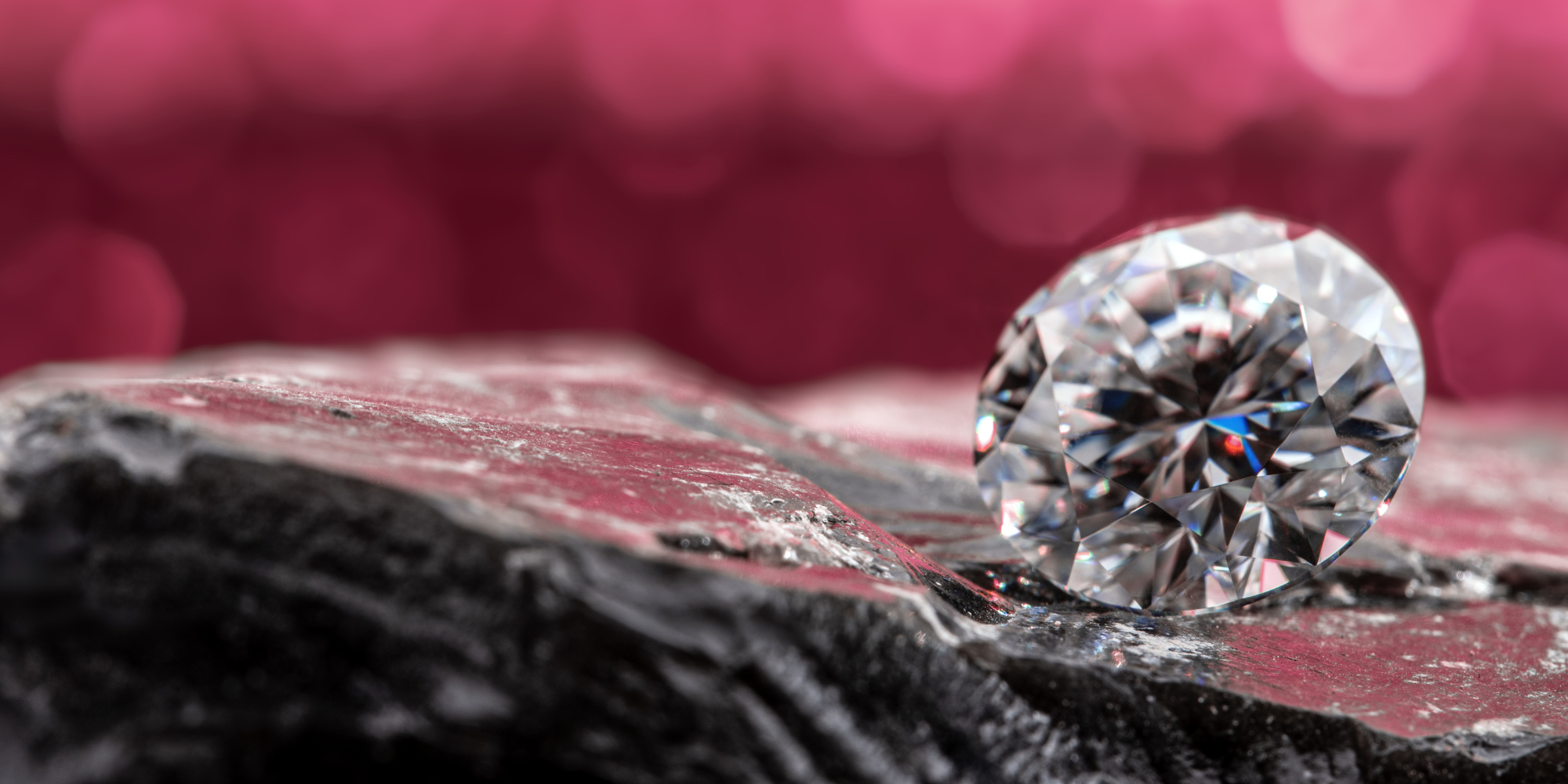
Looking for a lab-grown diamond ring? Knowing the 4Cs—Cut, Color, Clarity, and Carat- will help you find the perfect diamond. These four factors aren’t just fancy terms; they’re the key to choosing a diamond that matches your style, budget, and expectations. Whether you want something timeless or trendy, understanding how the 4Cs work together will make it easier to pick the right ring.
Lab-grown diamonds are judged the same way as natural diamonds, so you can trust their quality and what you're getting. In this guide, we’ll explain each of the 4Cs in simple terms to help you choose a ring that sparkles and stands out.
What Are the 4Cs of Lab Grown Diamonds?
Let’s break down what the 4Cs mean. This system, created by the Gemological Institute of America (GIA), is used to grade both mined and lab-grown diamonds. Here’s why it’s important:
- Cut: This shows how well the diamond reflects light, making it sparkle.
- Color: This measures how clear or tinted the diamond looks.
- Clarity: This checks for any imperfections inside or on the diamond’s surface.
- Carat: This tells you the weight and usually the size of the diamond.
These 4Cs help you understand a diamond’s value and look. Lab grown diamonds are graded using the same standards as natural ones, so you’ll know exactly what you’re buying.
Grading reports are like report cards for diamonds. They give you all the details about the cut, color, clarity, and carat weight, making it easier to choose confidently. They ensure you know the quality of your diamond and give you peace of mind about your purchase.
Cut: The Most Important Factor

If there’s one thing that matters most when choosing a diamond, it’s the cut. Why? Because even the biggest or clearest diamond won’t sparkle if it’s not cut right. A well-cut diamond reflects light beautifully, giving it that stunning sparkle everyone loves.
The GIA grades diamond cuts on a scale from Ideal to Poor. An Ideal or Excellent cut gives you the most brilliance, while lower grades like Fair or Poor result in a duller diamond. For round brilliant diamonds, the most popular shape, a high-quality cut, is especially important to maximize shine.
What about other shapes like princess, emerald, or cushion cuts? These are judged a bit differently because their designs focus more on unique looks than pure sparkle. For example, emerald cuts have step-like facets that create a “hall of mirrors” effect rather than the intense sparkle of a round diamond. Still, the cut is just as important, no matter the shape.
Here’s a helpful tip: If you need to save money, don’t compromise on the cut. A well-cut diamond will always look better and brighter, no matter its size or shape.
Color: Understanding the Hue Spectrum

Let’s talk about diamond color! It might seem strange at first since diamonds are often thought to be completely clear. While that’s true for the highest-quality ones, most diamonds have tiny hints of yellow or brown caused by trace elements during their formation, so even lab-grown diamonds can have this.
The GIA (Gemological Institute of America) grades diamond color using a scale from D to Z. A diamond with a D grade is totally colorless and super rare, while Z diamonds have noticeable yellow or brown shades. Diamonds in the D-F range are the most sought-after because they look perfectly white in any light. G-H diamonds are almost colorless, too, but they’re more budget-friendly. Once you go past the J grade, the color becomes easier to see and can impact the overall look of the stone.
Lab-grown diamonds can also come in unique colors like blue, pink, or green. These “fancy” colors are created using special growth methods, such as High Pressure High Temperature (HPHT) or Chemical Vapor Deposition (CVD). Fancy-colored diamonds are becoming more popular and offer a fun twist on traditional jewelry.
For most people, near-colorless diamonds in the G-H range are a great choice because they look beautiful and are more affordable. Plus, if you use a yellow gold setting, it can hide any slight warmth in the diamond, making it look even whiter.
In the end, it’s all about finding the right balance between quality, cost, and your style!
Clarity: Evaluating Diamond Purity

Let’s talk about diamond clarity, which refers to how clean a diamond is, both inside and on the surface. Flaws inside the diamond are called inclusions, and marks on the surface are called blemishes. While these can affect how a diamond looks, most imperfections are so tiny that you can’t see them without a magnifying tool.
The GIA clarity scale rates diamonds from Flawless (FL), meaning no imperfections even under 10x magnification, to Included (I1, I2, I3), where flaws are visible to the naked eye. Lab grown diamonds generally have fewer inclusions than mined ones because they’re grown in controlled conditions. However, they aren’t completely perfect—HPHT diamonds, for example, can have tiny metallic bits left over from the growing process.
For a diamond you’ll wear every day, VS1 or VS2 clarity is usually a good choice. At these levels, the diamond looks “eye-clean,” meaning you won’t notice any flaws unless you inspect it very closely. Higher clarity grades like VVS1 or Flawless can cost a lot more without offering much difference in appearance, while going lower to SI1 or below could mean visible flaws.
Carat Weight: Size Vs. Quality
When people think about diamonds, they often focus on size. Carat weight measures how heavy a diamond is. 1 carat equals 200 milligrams. But remember, weight doesn’t always mean size. Two diamonds with the same carat weight can look very different depending on how they’re cut.
Carat weight also affects price. With lab grown diamonds, you can often get a larger stone for much less than a natural diamond. This makes them a great choice if you want a bold, eye-catching piece without spending a fortune.
However, don’t let carat weight be the only thing you care about. A bigger diamond with a bad cut won’t sparkle as much as a smaller one with a great cut. It’s all about finding the right balance between size and quality to make sure your diamond looks beautiful from every angle.
How Lab Grown Diamonds Compare to Natural Diamonds
How do lab grown diamonds compare to natural ones? The simple answer: they're almost the same. Both have the same chemical makeup, look identical, and are just as strong. To most people, you wouldn’t be able to tell them apart.
The main differences are in price, ethics, and environmental impact. Lab grown diamonds usually cost 30-50% less than mined ones, making them a more affordable choice. They also avoid the ethical issues tied to mining, like worker exploitation and damage to the environment. Plus, creating diamonds in a lab produces far fewer carbon emissions than digging them out of the ground.
Some people prefer natural diamonds because they’ve been around for millions of years, while others love lab-grown ones for their innovation and eco-friendliness. In the end, it’s all about what matters most to you.
Choosing the Best Lab Grown Diamond for Your Ring
Now that you know the 4Cs, let’s talk about how to find the perfect lab grown diamond. Start by deciding what’s most important to you. Want the most sparkle? Focus on the cut. Prefer a bigger diamond? Go for a carat weight. Looking to save money? Choose a near-colorless diamond with medium clarity, it's still beautiful but easier on the budget.
Don’t forget about certification! Always pick diamonds graded by trusted labs like GIA, IGI, or AGS. These organizations give honest ratings so you know exactly what you’re getting.
Lastly, think about the setting. The right metal and design can make a big difference. Yellow gold works well with warmer tones, while white gold or platinum makes cooler tones pop. A halo setting can make smaller diamonds look bigger, while a solitaire design puts all the attention on the diamond itself.
Conclusion
When choosing the perfect lab grown diamond, it’s important to understand the 4Cs—Cut, Color, Clarity, and Carat. Each of these factors affects how beautiful and valuable the diamond is. Focus on the cut for sparkle, find the right balance between color and clarity, and choose a carat weight that fits your preferences.
Ready to find your diamond? Check out certified lab-grown diamonds today and enjoy the excitement of owning a stunning and meaningful piece of jewelry.


